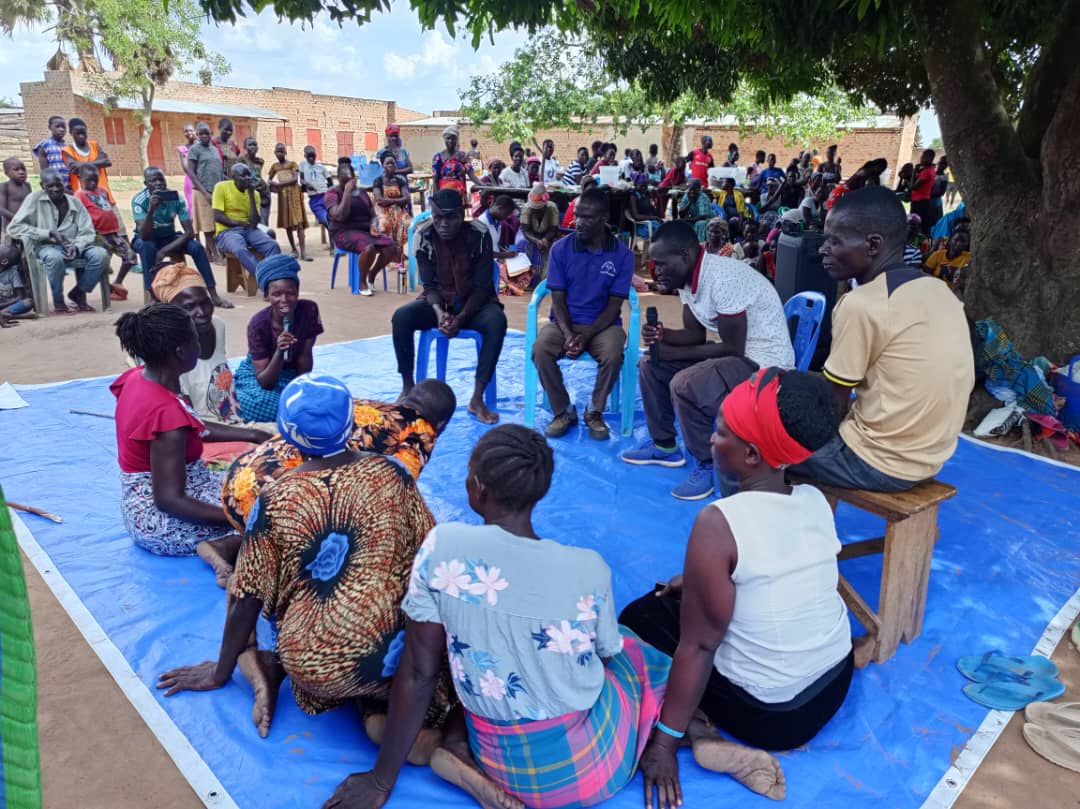
After a wonderful campaign in which hundreds of people generously contributed, we are deeply excited to announce the official launch of our mobile trauma counseling center!
Northern Uganda is still healing from the decades-long Lord’s Resistance Army (LRA) conflict, which left deep traumatic wounds, particularly among former child soldiers, children born of war, and women who suffered sexual violence and abuse.
“Healing takes time, but we now have a way to begin that journey, right from our homes,” said Nancy, a mother of five from Rwotobilo Village.
With mental health support scarce in the region, GRG saw an urgent need to take counseling directly to communities. We developed the mobile counseling center to ensure that trauma-affected individuals in remote villages could access counseling and referral services without traveling long distances.
Working in close partnership with local leaders and health officials, the center brings professional psychosocial support into the community itself—restoring dignity, hope, and emotional stability. We aim to counsel 1,000 people over the coming year.
“We need this more often. Even our children are beginning to open up,” noted a village elder in Owor Sub-County.
The launch took place at Pawel Angany Parish in Patiko Sub-county and was officiated by Patrick Komakech and several local government officials.
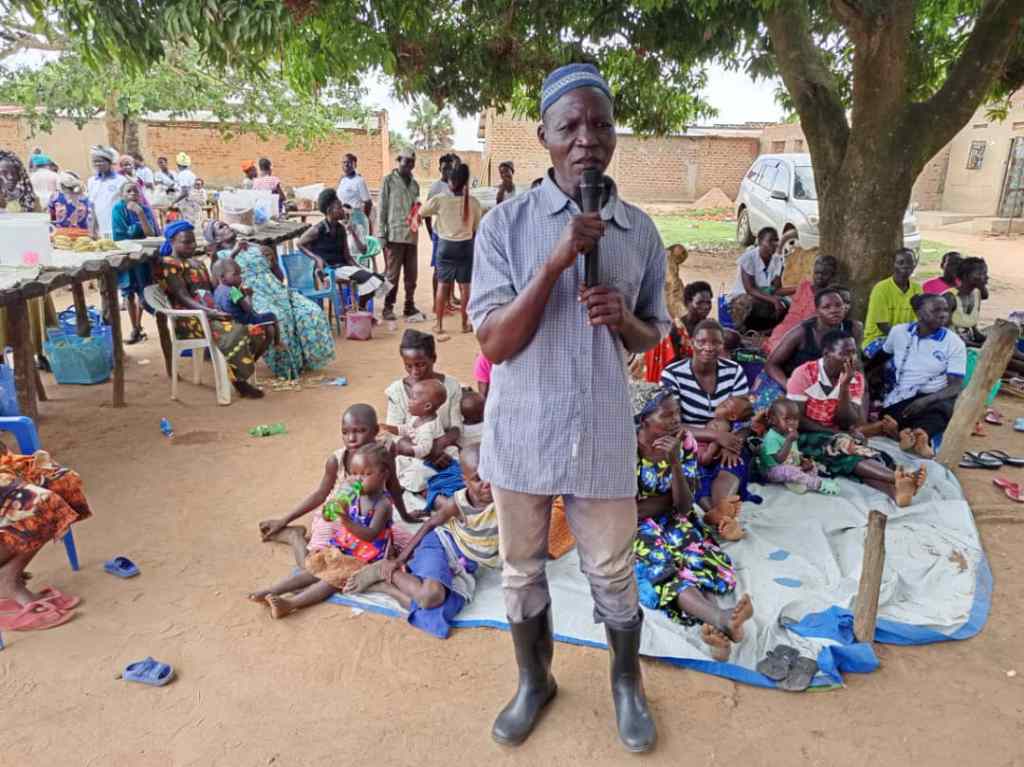
The model of the center is to train and work through community peer counselors, our force multipliers for healing the scars of war. The peer counselors are local volunteers selected from their communities to act as frontline support. Through structured outreach and sensitization sessions, GRG is equipping has equipped counselors and residents with knowledge on mental health, trauma recovery, and emotional resilience. So far, 47 peer counselors have been trained and are now serving as trusted contact persons for basic counseling and mental health referral services.
“Before, I thought only people with extreme trauma needed counseling. Now I know that talking helps us all heal. I’ve even helped my neighbor seek help after years of silence,” shared Grace Akot, a peer counselor from Pawel Angany Village.
Since the launch, we have done counseling outreach to seven villages in the area. Over just a few weeks, these trained community actors have reached and counseled 389 individuals and referred 89 cases to nearby health facilities, such as Angaya Health Centre II, for further care.
“This approach is timely for us—it will help address post-conflict scars and bring about the needed mindset change in our communities.” – John Okot, the LC III Chairperson of Patiko Sub-county.
Former child soldiers and community members have expressed deep appreciation and relief so far:
“This is the first time someone has asked me how I feel since I returned home from [being abducted with the rebels],” said John, a former abductee.
These voices are not isolated. They reflect a growing shift in attitudes toward mental health—breaking stigma and fostering openness within communities that were once silenced by trauma.
Though still in its early stages, the Mobile Counseling Center has already proven to be a low-cost, high-impact intervention. It leverages local knowledge and community trust, ensuring that mental health care is not only accessible but also sustainable. As the initiative scales, GRG hopes to reach more sub-counties across Gulu District and beyond. With continued support from partners and donors, the organization plans to train additional Peer Counselors, strengthen referral networks, and embed counseling into broader community development programs.
 Grassroots Reconciliation Group